
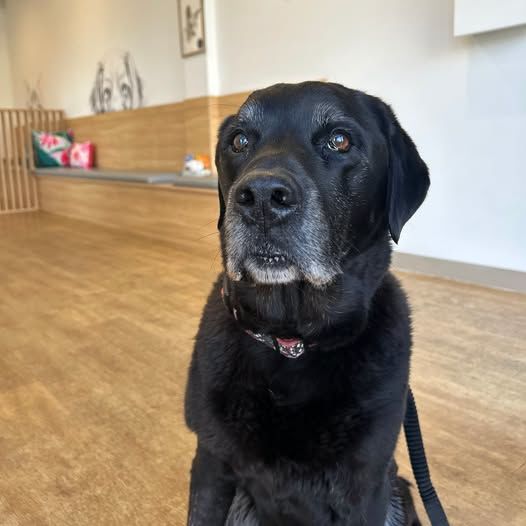
Imagine your old friend, who once spent every afternoon chasing waves at Jan Juc, now hesitates at the porch steps or takes a little longer to find a comfortable spot on the rug. It's a quiet shift that many Surfcoast pet owners notice, often leading to the nagging worry that a companion might be hiding chronic pain like arthritis. You aren't alone in wondering if these changes are just a natural part of getting older or something that requires professional medical attention.
The good news is that a proactive senior pet health checkup can take the guesswork out of your pet's golden years. By focusing on early detection and regular wellness exams, you can help your dog or cat enjoy a life that isn't just longer, but significantly more comfortable. Our experienced local team is here to guide you through this transition with the gentle care and professional authority your pet deserves.
In this article, we'll clarify when your pet officially reaches senior status and explain how modern diagnostic tools like in-house blood testing provide peace of mind. You will also discover actionable ways to support your pet's mobility at home and gain confidence in a veterinary approach that prioritises their long-term well-being and happiness.
Key Takeaways
- Learn why the age of seven is a critical biological benchmark for most dogs and cats and how to look past the "seven-to-one" age myth.
- Understand the impact of coastal terrain on ageing joints and why a professional senior pet health checkup is vital for detecting hidden conditions like osteoarthritis.
- Discover what a comprehensive "nose-to-tail" examination involves, including why monitoring even small changes in weight is crucial for senior wellness.
- Get practical advice on adapting your pet’s lifestyle, from nutritional adjustments to modifying beach walks for better comfort and mobility.
- See how our long-standing local expertise and on-site diagnostic tools provide rapid answers and a gentle touch for your ageing companion.
Understanding Your Pet’s "Golden Years" on the Surfcoast
Living on the Surfcoast, we often see dogs enjoying long beach runs well into their later years. While their spirit remains youthful, their internal biology begins to shift around the age of seven. This age is a general benchmark for both dogs and cats, marking the transition from adulthood to their "senior" years. It's a time when we shift our focus from routine preventive care, such as vaccinations, toward a more nuanced strategy of early disease detection. In an active community like Torquay or Anglesea, keeping a close eye on these changes is vital to maintaining the high quality of life our pets deserve.
You might have heard the old rule that one dog year equals seven human years. While this was a helpful guide in the past, it's largely a myth that oversimplifies a complex biological process. Understanding the aging process in dogs requires looking at breed size and individual health history. A Great Dane may be considered senior at five, whereas a smaller Chihuahua might not reach that milestone until age ten. Cats tend to follow a more consistent ageing curve but are masters at hiding discomfort from their owners, making regular monitoring even more critical.
When is a pet considered senior or geriatric?
We typically categorise older pets into two distinct stages. "Senior" refers to the maturing phase where energy levels might dip slightly, while "geriatric" describes the advanced stage where multiple body systems often require extra support. In cats, these signs are particularly subtle. You might notice they no longer jump onto the high kitchen bench or spend more time sleeping in a quiet corner of your home. These aren't just "old age" quirks; they are often indicators of underlying changes that a senior pet health checkup can help identify early on.
The proactive vs reactive healthcare mindset
Many owners wait for a visible limp or a change in appetite before booking a consultation. By the time these outward symptoms appear, a condition has often progressed significantly. Adopting a proactive mindset allows our team to use in-house blood testing and digital radiology to spot issues like kidney dysfunction or early arthritis before they cause distress. A senior pet health checkup is a comprehensive biological audit designed to establish a baseline of health and identify subtle internal changes before they manifest as outward illness. Choosing this path is often more cost-effective and emotionally reassuring than managing a late-stage health crisis.
Common Health Challenges for Ageing Dogs and Cats
Coastal life is wonderful for active dogs, but the very environment they love can eventually become a significant physical challenge. Osteoarthritis is one of the most frequent issues we identify during a senior pet health checkup. While owners often look for a visible limp, pain in older pets is frequently more subtle. They might simply be slower to get up in the morning or reluctant to jump into the back of the car after a stroll at Fisherman’s Beach. These small changes in behaviour are often the first signs that a pet is struggling with joint inflammation.
Mobility and the Surfcoast lifestyle
Walking on soft sand requires significant muscular effort and joint stability. For a healthy adult dog, the dunes provide excellent resistance training. For a senior pet with stiff joints, however, the shifting and uneven surface can exacerbate existing inflammation. Modern Australian homes often feature polished floorboards or multiple levels of stairs, which can be treacherous for a pet with declining muscle mass or poor traction. We often suggest practical home adjustments, such as placing area rugs on slippery surfaces, to help your companion move with greater confidence.
The hidden threat of organ disease
Internal health issues often develop quietly without obvious outward signs. According to established senior pet care guidelines, early screening is the only reliable way to catch these "silent" conditions. Cats are particularly stoic; they can lose up to 75% of kidney function before showing clear symptoms like increased thirst or weight loss. The liver also plays a critical role in filtering toxins and processing medications. As your pet ages, ensuring these organs are functioning correctly is vital for their long-term comfort and safety.
Dental disease is another major concern that is often overlooked. Statistics show that 85% of dogs and cats over the age of six suffer from some form of periodontal disease. This isn't merely a matter of bad breath; bacteria from infected gums can enter the bloodstream and cause secondary damage to the heart and kidneys. During a senior pet health checkup, we also evaluate your pet for signs of Cognitive Dysfunction Syndrome (CDS). Often referred to as "sundowning," this condition can cause older pets to become confused, restless at night, or lose their previous house-training habits.
If you have noticed your companion slowing down or acting differently, a professional senior health assessment can help identify these issues before they impact your pet's quality of life. Early intervention remains the most effective way to manage these common age-related transitions.
What Happens During a Senior Health Checkup at Our Clinics?
When you bring your companion in for a senior pet health checkup, our approach is methodical, thorough, and designed to put both you and your pet at ease. We begin with a "nose-to-tail" physical examination that goes far beyond a standard consultation. Our vets look for subtle cues that a casual observer might miss, such as the clarity of the eyes, the thickness of the coat, and the flexibility of the joints. We also perform a detailed oral cavity assessment under bright light. Since dental issues are a gateway to more serious systemic health problems, checking for fractured teeth, receding gums, or hidden infections is a priority during every visit.
We pay particularly close attention to weight and body condition scoring. In a senior pet, even a 500g weight gain can significantly increase the pressure on arthritic joints, making a short walk to the beach feel like a marathon. Conversely, unexpected weight loss can be an early warning sign of metabolic issues or underlying disease. By tracking these numbers precisely, we can catch shifts in health before they become visible to the naked eye.
The value of in-house blood testing and pathology
One of the distinct advantages of our clinics is our on-site laboratory. Unlike many practices that send samples to external facilities, we provide results for most pathology during your consultation. This speed is vital for peace of mind, as it means you don't have to wait days for answers. We focus on establishing baseline testing while your pet is relatively healthy. Having a "normal" profile on file allows us to spot tiny deviations in thyroid function, kidney enzymes, or glucose levels that might indicate the early stages of diabetes or infection. Following AVMA guidelines on senior pet care, we recommend these screenings to ensure we are monitoring internal health as closely as external mobility.
Advanced imaging: Ultrasound and Digital Radiology
Sometimes, a physical exam and blood work only tell part of the story. Our Torquay and Anglesea facilities are equipped with digital radiology and ultrasound to look beneath the surface without causing stress to your pet. Digital X-rays allow us to precisely grade the severity of arthritis or monitor changes in heart size, which is common in older dogs. Ultrasound provides a non-invasive way to view internal abdominal organs, such as the liver and spleen, in real-time. If a senior pet health checkup reveals a complex issue, our multi-vet team collaborates to find the best path forward. In some cases, we may even consult with visiting specialist surgeons to ensure your companion receives the most advanced care available on the Surfcoast.
Supporting Your Senior Pet’s Lifestyle in Torquay and Anglesea
Adjusting your daily routine is one of the kindest ways to support a maturing companion. While your dog might have spent years navigating the dunes at Jan Juc, their changing biology often requires a shift toward more manageable activities. We recommend moving away from long, strenuous treks in favour of shorter, more frequent walks on flat surfaces, such as the Torquay Esplanade. This approach keeps their joints moving without the high impact of soft sand or steep inclines. Mental stimulation is equally vital; food puzzles and scent games can keep a senior mind sharp even when their physical pace slows down.
Nutrition also plays a pivotal role in these golden years. Many owners believe they should simply reduce food intake to prevent weight gain, but senior pets actually have unique requirements for high-quality, easily digestible protein to maintain muscle mass. Balancing these nutrients while managing overall calories is a delicate task. During a senior pet health checkup, we can provide a tailored nutritional plan that supports their specific needs, ensuring they stay lean enough to protect their joints while remaining strong enough for their daily strolls.
Adapting to the Surfcoast environment
Our local climate presents specific challenges for older animals. Victorian summers can be harsh, and senior pets are much more susceptible to heat stress than their younger counterparts. It is essential to provide shaded, cool retreats and avoid exercise during the heat of the day. Pets with thinning coats or white ears also require sun safety measures to prevent solar dermatitis. Additionally, as mobility decreases, senior pets may be less able to move away from dangers in the coastal scrub. Maintaining awareness of snakes and ticks is crucial, particularly for those living near the heathlands in Anglesea where these risks are prevalent.
Monitoring "lumps and bumps" at home
We encourage owners to use the "map your pet" technique between clinic visits. Once a month, gently feel over your pet's body and note the location and size of any new growths on a simple diagram. This helps us track whether a lump is a benign lipoma or something that requires more urgent attention. Any new lump larger than a pea or any growth that is rapidly changing shape warrants a professional vet check. Small changes in the home environment, such as adding orthopaedic beds or non-slip ramps, can also make a world of difference to their daily comfort.
If you have noticed new growths or want to discuss a lifestyle plan tailored to your pet's needs, you can book a senior consultation at our Torquay or Anglesea clinics to ensure your companion stays comfortable and safe.
Why Choose Torquay and Surfcoast Veterinary Clinics for Senior Care
Since 1985, Torquay and Surfcoast Veterinary Clinics have been a trusted fixture for pet owners across the region. We understand that your relationship with your ageing companion is built on years of shared beach walks and quiet moments at home. This deep bond deserves a level of care that combines professional medical authority with genuine, local warmth. Our legacy in the community means we've supported generations of Surfcoast families through every stage of their pets' lives, giving us a unique perspective on the health challenges specific to our coastal environment.
Our multi-vet practice offers a distinct advantage when managing the often complex needs of an older animal. Senior cases rarely involve just one issue; they frequently require a holistic understanding of how arthritis, dental health, and internal organ function interact. By having a team of experienced professionals under one roof, we can share collective knowledge to develop the most effective health plans. Whether your pet requires routine monitoring or complex small animal surgery, you can feel confident that they are in steady, capable hands.
Accessibility is another cornerstone of our service. With clinics in both Torquay and Anglesea, we make it easy for local residents to access high-quality care without subjecting a stiff or anxious senior pet to a long journey. We prioritise a gentle touch in everything we do, ensuring that a senior pet health checkup is a calm and reassuring experience for both the patient and the owner. We believe in transparent communication, taking the time to explain diagnostic results and treatment options in plain English so you can make informed decisions about your pet's future.
Local expertise meets modern medical technology
We've invested in the latest technology to ensure our decades of experience are backed by precise data. Our in-house blood testing and digital radiology suites mean we can often provide answers during your initial consultation. This rapid diagnostic capability is crucial for senior pets, where early intervention can significantly alter the course of a condition. We don't just provide a service; we act as a supportive guide, helping you navigate the transitions of your pet's golden years with confidence and clarity.
Booking your senior wellness consultation
Organising a visit is straightforward through our online booking system, which is available for both our Torquay and Anglesea locations. To help us provide the most comprehensive assessment, we ask that you bring a list of any current medications or supplements your pet is taking, along with details of their current diet. This information allows us to create a highly personalised wellness plan that fits your pet’s specific lifestyle. Book a senior health checkup at our Torquay or Anglesea clinic today to ensure your companion continues to enjoy the very best of Surfcoast life.
Ensuring a Bright Future for Your Senior Companion
Your pet’s senior years can be a rewarding time of deep connection and comfort when you have the right support in place. By focusing on early detection and adapting your daily routine to suit a maturing companion, you can help your old friend stay happy and active for longer. Whether it's modifying their morning beach walks or using our full in-house diagnostic suite to monitor organ health, every proactive step makes a significant difference to their quality of life.
Since 1985, we have been dedicated to caring for Surfcoast pets with a gentle and professional touch. With our dedicated hospital facilities in Torquay and our clinic in Anglesea, accessing seasoned local expertise is convenient and stress-free. A regular senior pet health checkup is the most effective way to ensure your companion remains a vibrant part of your family life. Our multi-vet team is here to provide the rapid answers and personalised care your ageing pet deserves.
Book your senior pet’s health checkup online today to take a positive step toward their long-term well-being. We look forward to seeing you and your faithful companion in the clinic soon.
Frequently Asked Questions
How often should my senior dog or cat have a health checkup?
We recommend a senior pet health checkup every six months for pets over the age of seven. Because animals age significantly faster than humans, a twice-yearly schedule is the best way to catch biological changes early. This frequency allows us to adjust pain management or nutritional support before a condition impacts your pet’s daily happiness.
My pet is just "slowing down"; is that always just old age?
"Slowing down" is almost never just a symptom of age and is frequently a sign of underlying discomfort or metabolic disease. While energy levels naturally taper off, a sudden lack of interest in walks or play often signals a medical issue that can be treated. Identifying the cause allows us to provide targeted care that helps your companion feel like their old self again.
What are the most common signs of arthritis in older dogs on the Surfcoast?
Local owners often notice their dogs struggling to get up on cold mornings or hesitating before hopping into the car after a stroll at Point Roadknight. You might also see your pet licking at specific joints or becoming restless at night. These are subtle indicators of joint inflammation that are often easier to spot in our active coastal environment.
Do senior pets still need vaccinations and parasite prevention?
Yes, maintaining a regular prevention schedule is vital because a senior pet’s immune system is less resilient than it once was. Older pets remain at risk from heartworm, intestinal parasites, and the paralysis ticks found in our local scrub. Keeping up with these routine treatments is a simple way to prevent avoidable health crises in their later years.
Why does the vet need a urine sample from my senior cat?
A urine sample provides essential information about kidney concentration and glucose levels that blood tests alone might miss. This is particularly important for cats, who are notoriously stoic and can hide the early signs of kidney dysfunction or diabetes for a long time. It’s a non-invasive way to get a clear picture of their internal health.
Can I change my pet’s diet to help with their ageing joints?
Switching to a specialised senior diet can make a noticeable difference in your pet's mobility and energy levels. These formulations often include high-quality proteins and anti-inflammatory ingredients like green-lipped mussel or Omega-3 fatty acids. We can help you choose a diet that supports joint health while keeping their weight in an ideal range.
What happens if the senior blood test shows an abnormality?
An abnormal result in a senior pet health checkup is simply a tool that helps us create a more accurate care plan. Many issues, such as early-stage kidney changes or thyroid imbalances, are highly manageable with the right medication or diet. Finding these issues early often means a better long-term outcome and lower treatment costs over time.
Is it safe for my senior pet to undergo dental surgery?
Anaesthesia is very safe for senior pets when preceded by thorough screening and supported by modern monitoring equipment. We perform a physical exam and pre-anaesthetic blood work to ensure your pet’s organs can process the medication safely. Removing infected teeth is often far less risky than leaving a source of chronic pain and bacteria in their mouth.